Autism and Bullying: How to Spot It and What to Do
On this page
What you can do today
- Stay calm and let your child know you believe them and it's not their fault.
- Help them tell you what happened in whatever way is easiest — talking, writing, drawing or pictures.
- Write down what happened (dates, who, where) and keep any evidence.
- Report it to the school in writing and ask what they'll do and by when.
- Teach a simple 'what to do / who to tell' plan, and rebuild your child's confidence.
Why are autistic children bullied more often?
They can stand out, misread 'jokes', trust too easily, and not always recognise or report harm. None of that is their fault. Adults stop bullying; children should not have to become less autistic to be safe.
It's not your child's fault, and understanding why helps you protect them. Autistic children can be targeted because they:
- Stand out as different, or react strongly (which some bullies find rewarding).
- Misread intentions — and may be tricked or set up (sometimes called 'mate crime', where a 'friend' takes advantage).
- Trust easily and want to fit in.
- Don't always recognise bullying, or struggle to report it.
- Are more exposed to online bullying.
Bullying is never the fault of the child being bullied — it's the behaviour of the person doing it, and the responsibility of adults to stop it.
What signs suggest my child is being bullied?
School refusal, withdrawal, more meltdowns, sleep or appetite change, lost or damaged things, marks, or suddenly avoiding a device. Autistic children often do not report it. A cluster of changes from their normal is enough to ask — you do not need a perfect disclosure.
Because many autistic children don't report bullying, watch for changes:
- School refusal or sudden anxiety about going (see school refusal)
- Withdrawal, low mood, or more meltdowns and shutdowns
- Sleep or appetite changes
- Unexplained marks, or lost/damaged belongings and money
- Regression or reluctance to talk about school
- Suddenly not wanting to use a device or go online
A cluster of these — especially a change from your child's normal — is worth gently exploring.
Supporting your child
- Believe them and stay calm. Your reaction sets the tone — make it safe to tell you more.
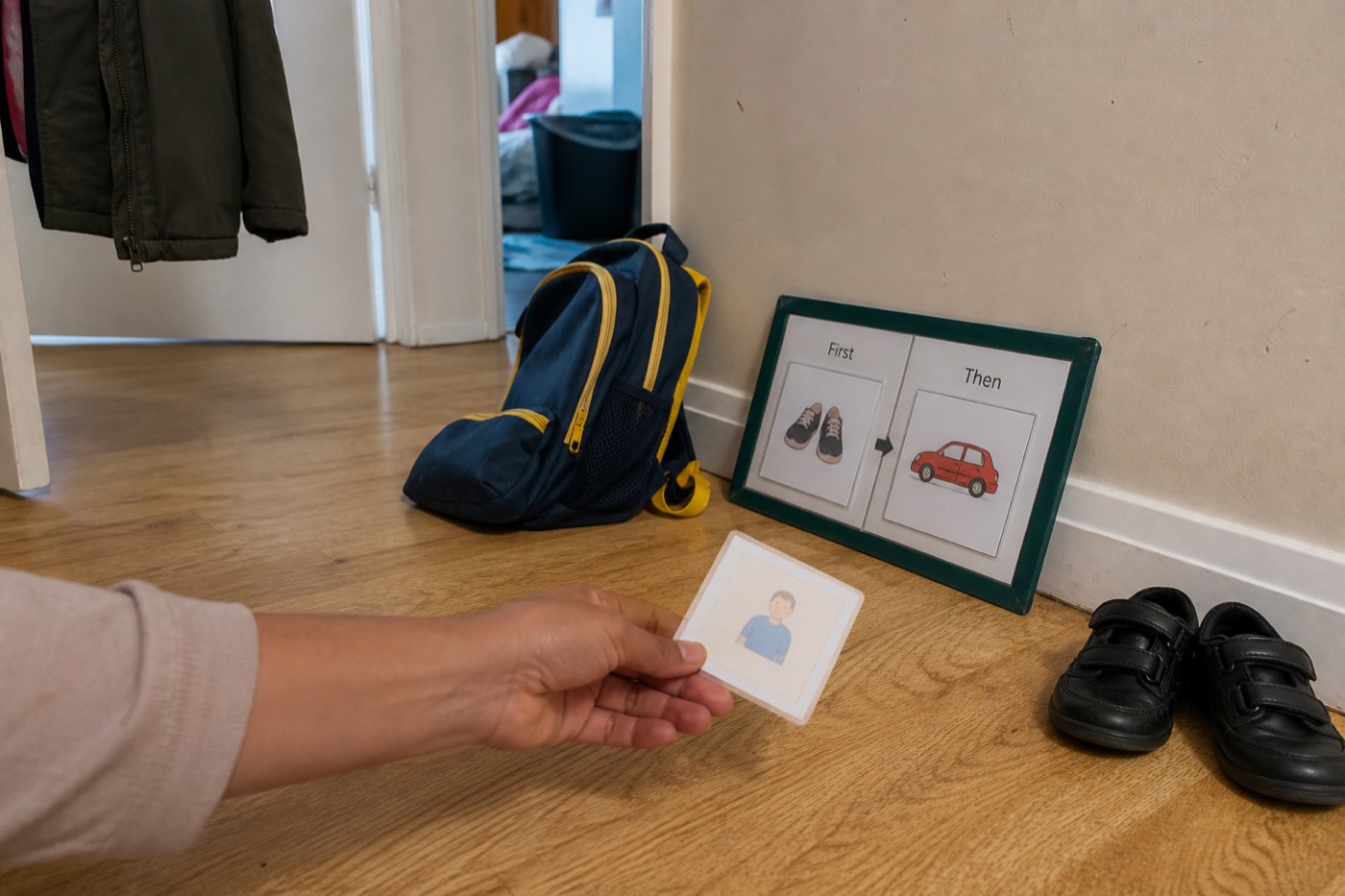
- Help them communicate what happened in their easiest way: talking, writing, drawing, or picture cards.
- Teach a concrete plan — exactly what to do and which adult to tell, practised through a social story.
- Rebuild confidence through their strengths, interests and trusted friendships (see making friends).
- Watch their mental health — bullying takes a toll (see anxiety and depression).
Working with the school
Schools have a responsibility to keep your child safe. To get action:
- Report it in writing (email) so there's a record, and keep copies of replies.
- Ask for the anti-bullying policy and how it applies to disabled and autistic pupils.
- Request a clear plan with named actions, a key adult, and a follow-up date.
- Keep a log of incidents and the school's responses.
- Escalate if needed — to senior leaders, the governing body/board, or your local complaints process.
Be calm, specific and persistent. You're not being difficult; you're protecting your child. See also school support & IEP basics.
What should I do if I think my autistic child is being bullied?
Write dates, what was said or done, and who was present, then email the school named person (often the SENCO) and ask for a meeting and a written plan. Autistic children are bullied more often and may not report it. Do not wait for a perfect disclosure.
Look for unexplained injuries, missing things, school refusal, or a sudden hatred of a class. Support at home: believe them, reduce blame, restore a safe activity. See school refusal. Who should skip this: handling a violent incident only via a website — keep your child safe first, then write it down.
What should I put in the email to school?
Dates, what was said or done, who was there, the impact (sleep, refusal, injuries), and a clear ask: a meeting, a named adult, and a written plan with a review date. Send it to the SENCO or head, not only the class teacher. Keep the tone factual. Persistence is reasonable.
Attach a one-page profile if you have one. Ask how the anti-bullying policy applies to disabled pupils. If nothing happens, escalate in writing to senior leaders, then governors, then the complaints process. See school support and school refusal. Watch mood — bullying and depression travel together.
Frequently asked questions
Are autistic children bullied more?
Yes — research consistently finds autistic children are bullied more often than their peers, partly because they may stand out, misread social situations, or not recognise and report bullying.
How do I know if my autistic child is being bullied?
Watch for changes from their normal: school refusal, withdrawal, mood or sleep changes, unexplained marks or lost items, regression, more meltdowns, or suddenly avoiding devices. A cluster of changes is a flag.
My child won't talk about it — what can I do?
Let them show you in their easiest way — writing, drawing or pictures rather than face-to-face talking. Stay calm, reassure them it's not their fault, and gather information gently over time.
What should the school do about bullying?
Schools have a duty to keep your child safe and to follow their anti-bullying policy. Report it in writing, ask for a concrete plan with named actions and a review date, keep records, and escalate if nothing changes.
Sources and content notes
Published by Autism Parent Guide. This is general educational information.
Clinical review involvement
General practitioner (GP) — name withheld
A general practitioner (GP), who prefers to remain anonymous, has been involved in reviewing the site since its development began and as content has been added. This describes ongoing involvement in the site. Individual article review dates and the scope of each review are not currently published.
References for this guide
- Difficulties at break times: guidance for parents and carersNational Autistic Society
- What can my autistic child get support with at school?National Autistic Society
Content updated . This date records an editorial change, not a clinical review. Read our editorial policy or report a correction.
Keep reading & doing
Related guides
Free tools to try
Not medical advice. This article is general information, not a substitute for professional assessment. Every child is different — always talk to a qualified professional about your individual child.