Signs of Autism in Children: What Parents Should Watch For
On this page
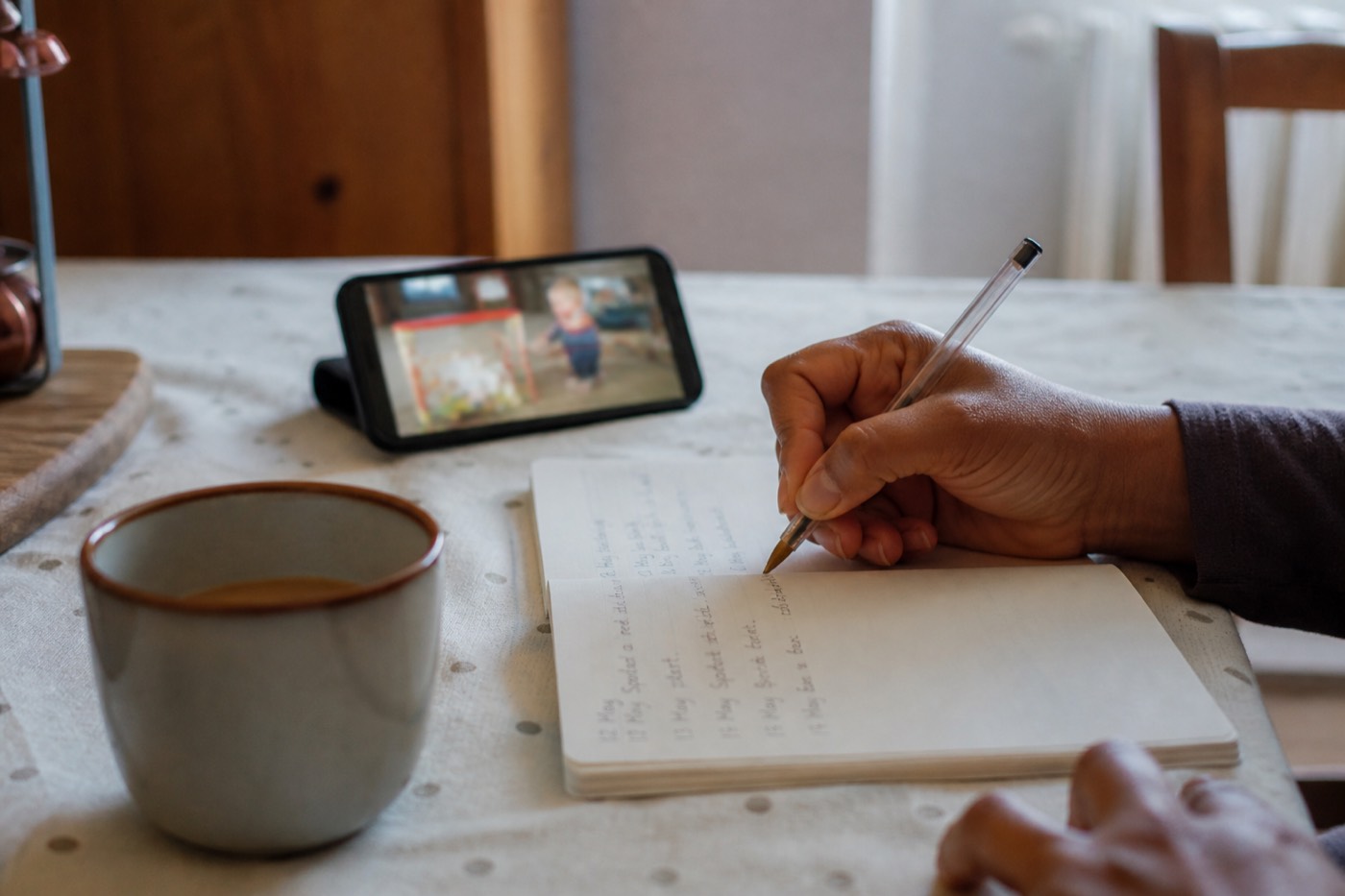
What you can do today
- Write down what you've noticed, with rough dates and examples — short notes are enough.
- Film a 30–60 second clip on your phone of the behaviour you're describing (this helps professionals a lot).
- Book a routine appointment with your GP, family doctor, paediatrician or health visitor and share your notes.
- Ask directly: "Can my child be referred for an autism assessment?" You're allowed to ask.
- Keep supporting communication at home while you wait — small visual supports help straight away.
What are the main signs of autism in children?
A pattern across social communication and interaction, plus routine, sensory or repetitive differences — not one behaviour. One sign is rarely a concern. Intensity, how many areas, and missed social milestones matter more than a single Tuesday.
Autism affects how a person communicates, plays, and experiences the world. Signs usually fall into two broad areas:
1. Social communication and interaction
- Limited or fleeting eye contact
- Not responding to their name by 12 months (when hearing is normal)
- Not pointing to show you things they find interesting
- Little interest in other children, or playing alongside rather than with them
- Few facial expressions, or expressions that don't match the situation
- Delayed speech, or losing words they once used
- Repeating words or phrases (sometimes from TV or videos) — this is called echolalia
- Finding it hard to understand others' feelings or to share their own
2. Repetitive behaviours and focused interests
- Repeating movements such as hand-flapping, rocking or spinning
- Lining up toys or playing with the same part of a toy (like spinning wheels)
- Getting very upset by small changes to routine
- Intense interests in specific topics, objects or activities
- Strong reactions to sounds, lights, textures, tastes or smells — or seeming not to notice pain or temperature
No two autistic children are the same. A child might have strong language but struggle socially, or be very social but highly sensitive to noise.
How do signs of autism look by age?
Under 12 months: little social smile, rare eye contact, little babble. Age 1–2: name response, pointing, first words. Age 3+: friendship, literal language, sensory distress at nursery or school. Some children, often girls, are missed until demands rise. Masking is not 'fine'.
Babies (under 12 months)
- Doesn't smile back at you by around 6 months
- Rarely makes eye contact
- Little babbling or copying of sounds and faces
- Doesn't reach out to be picked up
Toddlers (1–2 years)
- Not responding to their name
- Not pointing at things or following your point
- Few or no words by 16 months; no two-word phrases by 24 months
- Not bringing objects to show you
- Repetitive movements or lining up toys
- Big distress at changes or certain sounds and textures
Pre-school and school age (3+ years)
- Finding friendships and group play difficult
- Taking language very literally; struggling with back-and-forth conversation
- A strong need for routine and sameness
- Deep, focused interests
- Sensory sensitivities at school (noise, lights, busy rooms)
Some autistic children — often girls, but not only girls — learn to mask or copy others, so signs can be missed until social demands grow at school. If something feels different about how your child connects or copes, it's worth raising even if they seem to be "managing."
What is typical toddler behaviour, and what is a pattern?
All toddlers line things up, have tantrums, and go through fussy phases. Autism is usually how often, how intensely, and how many areas at once — plus whether social and communication milestones are being met. If you are unsure, that uncertainty is a reason to ask, not to wait.
Many behaviours on this page happen in all young children sometimes. Toddlers line things up, have tantrums, and go through fussy phases. The difference with autism is usually about how often, how intensely, and how many areas are affected — and whether your child is also reaching social and communication milestones.
A tantrum, for example, is usually about wanting something and often stops when the child gets attention or the thing they want. A meltdown is an overwhelmed response to too much sensory or emotional input, and isn't about getting something.
If you're unsure whether what you're seeing is "just a phase," that uncertainty is itself a good reason to check in with a professional.
How do I write down signs without diagnosing my child?
Write what you saw, roughly when, and in which setting — not a label. A 30–60 second phone clip of the behaviour helps more than a long story. Use our free signs notes sheet to tick what you have actually seen, then take it to a GP or health visitor. Ticks are not a score and not a diagnosis.
Professionals cannot see a Tuesday morning at your house. Dated notes close that gap.
- One line per incident: date, what happened, what happened just before, how long it lasted.
- Film a short clip of the thing you are trying to describe (name response, lining up, a meltdown's start — never anything that humiliates your child).
- Note what is going well too. Strengths belong in the same folder.
Use the printable signs notes sheet if a blank page feels like too much. It is deliberately not M-CHAT or any screening test: there is no cut-off score. If skills have been lost (speech, pointing, social interest they used to have), do not wait for a perfect folder — ask the same week.
| Age band | Often-noticed signs | What to do next |
|---|---|---|
| Under 12 months | Little social smile, rare eye contact, little babble | Mention at the next baby check; ask about hearing |
| 1–2 years | Name response, pointing, first words / two-word phrases | Ask for an autism assessment and hearing check |
| 3+ years | Friendship, literal language, sensory distress at nursery | Ask school/nursery SENCO and your GP in parallel |
Next step: what to do if you're worried.
What should I do if I notice signs of autism?
Write dated examples, film a short clip if you can, get hearing checked, and ask a GP, health visitor or paediatrician for an autism assessment. You do not need to be sure. Start visual supports at home while you wait — a diagnosis is not required to help.
Noticing signs is not a diagnosis — and a diagnosis is not something to fear. Many parents say getting answers helped them understand and support their child better.
Your next step is simple: share what you've noticed with a professional and ask for an assessment. Read our step-by-step guide on what to do if you're worried, including how referrals and waiting lists usually work.
While you wait — and waits can be long — you can start supporting your child today. Visual supports and simple picture cards help many children understand what's happening and express needs with less frustration. That's exactly what our free Parent Toolkit is for.
What else can look like autism — and still needs a check?
Hearing loss, speech delay on its own, ADHD, anxiety, and a 'shy phase' can overlap with some signs. You do not have to pick one label before you ask. Describe what you see. Hearing should always be checked when communication is the worry. A professional looks at the whole pattern over time.
| You might be seeing | Often looks like | Why it still belongs in the notes |
|---|---|---|
| Hearing problem | Not turning to name | Easy to miss; treatable; always worth a test |
| Speech delay alone | Late talker | Autism is considered when social and sensory/routine differences sit alongside |
| ADHD | Fidgeting, not sitting | Can co-occur (AuDHD); assessment can look at both |
| Anxiety | Avoiding people or school | Anxiety can be the result of overload; treating only anxiety misses communication needs |
| Masking | 'Fine at school' | Exhaustion after school is data — see autism in girls |
Sources we used for the sign lists: NHS — signs in children and CDC — signs and symptoms, checked 13 August 2026. We do not invent a screening cut-off. Use the signs notes sheet — ticks are not a score.
Should I trust an online autism test?
No. Quizzes cannot diagnose. At best they name things you already noticed. At worst they scare you with a fake percentage. Write examples, take them to a professional, and skip anything that sells a 'result' or a cure. M-CHAT is a screen used in clinic — it is not this website, and our notes sheet is deliberately not M-CHAT.
If a site asks you to pay for a label, close it. If a site says vaccines caused this, close it — see what causes autism. The useful internet move is a dated notes file plus first steps. NHS-framed overview: HealthAnswers on autism.
What can I do in the next seven days?
Day 1–2: notes and one video. Day 3: book the GP/health visitor and write the sentence you will say. Day 4: hearing if not already done. Day 5: tell nursery or school. Day 6–7: four picture cards and a three-step visual for one sticky routine. That is a week well used, diagnosis or not.
The sentence: I'm worried my child may be autistic. Can they be referred for an assessment? You are allowed to say it. Bring the signs notes. If they dismiss you, ask them to record the concern, book a review, and consider a second opinion. Persistence is reasonable. Typical toddler context (not a screen) is on Clever Mum.
How do I use a ten-minute GP appointment well?
Lead with the ask, then two dated examples, then hearing status. Example: I would like a referral for an autism assessment. He does not turn to his name at home or nursery. We have a 40-second clip. Hearing has / has not been checked. Hand over the notes sheet. Do not spend the slot on a life story.
| Bring | Why it earns the minute |
|---|---|
| Signs notes with hearing ticked | Stops a blank stare |
| One or two phone clips | Clinic behaviour is often 'fine' |
| About my child | Strengths first so it is not only a deficit list |
| The sentence written out | Nerves wipe scripts |
If they say wait and see, ask them to write the concern in the notes and book a review. Next steps: first steps.
What is useful to film — and what is not?
A short clip of the thing you are trying to describe: name response, how play looks, the start of a meltdown, a conversation that does not go two ways. Never film to shame them. Do not post clinic videos in parent groups. Thirty to sixty seconds is enough. Consent and dignity come first — they are still your child on a hard day.
Professionals cannot see a Tuesday morning. Footage beats 'he's in his own world'. If filming feels wrong, dated written examples still count. Pair clips with the signs notes so the appointment is not a hunt through your camera roll.
Frequently asked questions
Can you tell if a 1-year-old has autism?
Sometimes. Some signs — like not responding to their name, not pointing or sharing attention, and little babbling — can appear before 12 months. But signs can also be subtle or appear later, so an assessment by a professional is the only way to know. Raising concerns early is always reasonable.
My child makes eye contact — does that rule out autism?
No. Many autistic children make eye contact, especially with people they're close to. Autism is about a pattern across communication, social interaction and behaviour — not any single sign. Eye contact alone neither confirms nor rules it out.
Is hand-flapping always a sign of autism?
No. Lots of young children flap, spin or rock when excited. Repetitive movements are only one possible sign, and matter most when they appear alongside differences in communication and social interaction.
Should I wait and see, or ask now?
If you're worried, ask now. "Wait and see" can cost valuable months, and assessment waiting lists are often long. Asking for advice early causes no harm — and if everything is fine, you'll have reassurance.
Does a speech delay mean my child is autistic?
Not on its own. Speech delay has many causes, including hearing problems. It's worth getting hearing checked and speaking to a professional. Autism is considered when delays appear together with differences in social communication and behaviour.
Can autism be missed in girls?
Yes. Some autistic girls (and boys) learn to mask or copy others socially, so their needs are missed until school or later. If your daughter struggles socially, is exhausted after school, or has intense interests and a strong need for routine, it can still be worth raising.
My child talks a lot — can they still be autistic?
Yes. Fluent speech does not rule autism out. Some autistic children talk in long scripts, echo phrases, or speak well and still find back-and-forth, friendship or sensory load exhausting. The pattern across areas matters, not word count.
Sources and content notes
Published by Autism Parent Guide. This is general educational information.
Clinical review involvement
General practitioner (GP) — name withheld
A general practitioner (GP), who prefers to remain anonymous, has been involved in reviewing the site since its development began and as content has been added. This describes ongoing involvement in the site. Individual article review dates and the scope of each review are not currently published.
References for this guide
Content updated . This date records an editorial change, not a clinical review. Read our editorial policy or report a correction.
Keep reading & doing
Not medical advice. This article is general information, not a substitute for professional assessment. Every child is different — always talk to a qualified professional about your individual child.