Autism and Travel: Stress-Free Holidays, Flights and Days Out
On this page
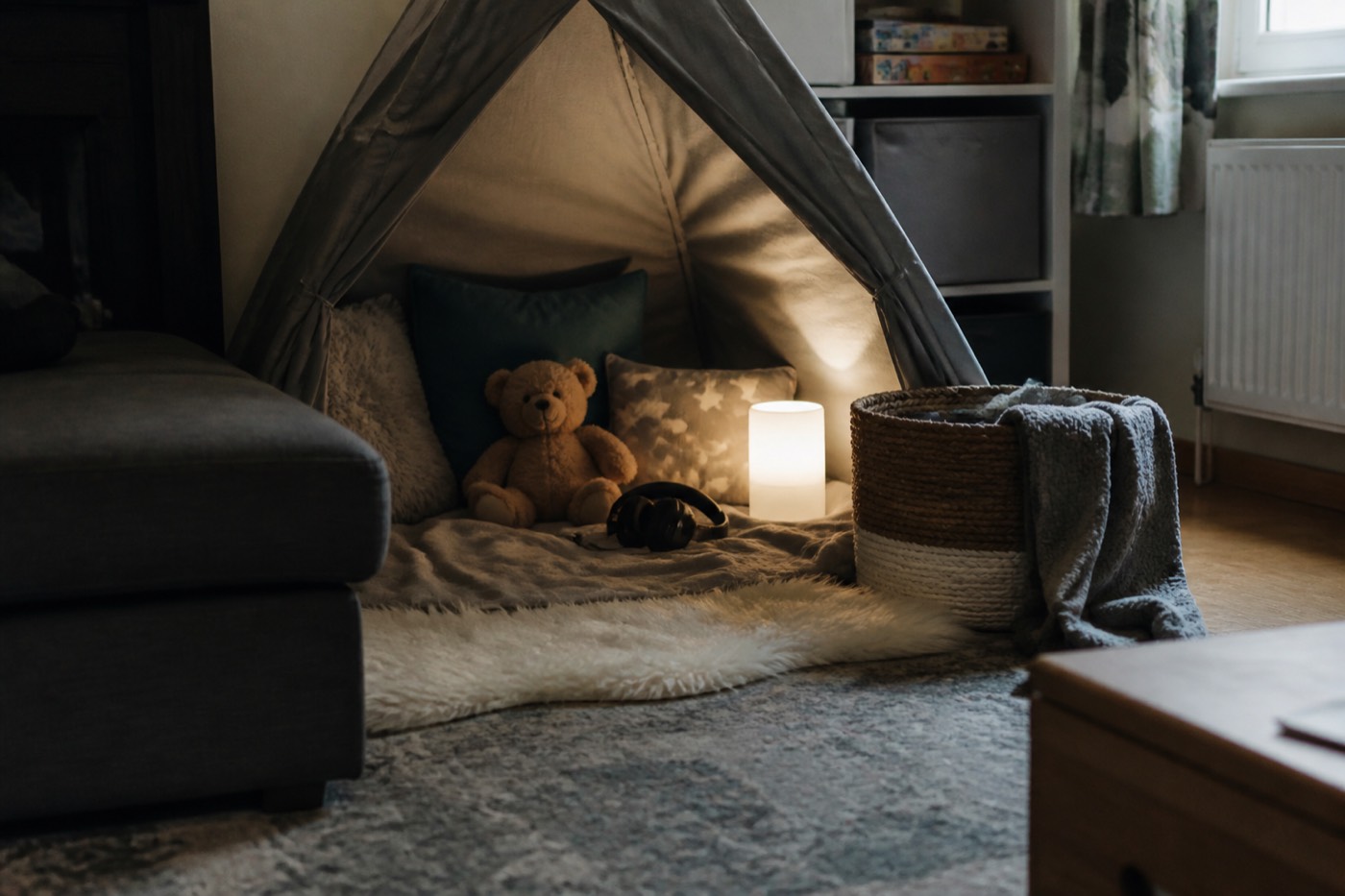
What you can do today
- Show your child where you're going and how, using photos and a simple visual itinerary.
- Make or borrow a social story for the journey (airport, plane, hotel).
- Pack a sensory + comfort kit (ear defenders, fidgets, snacks, familiar items).
- Plan for waiting and transitions — and look up special-assistance options.
- Build in downtime each day and keep a few familiar routines.
How do I prepare my autistic child for a trip?
Show the destination, the transport and the bed in photos. Walk the day with a social story and a visual itinerary. Practise one new piece (seatbelt time, a short bus, a suitcase). Surprises are the expensive part of travel — spend effort there, not on extra activities.
Surprises are the hardest part of travel, so reduce them:
- Talk it through with photos of the destination, transport and where you'll stay.
- Use a social story to walk through the journey step by step.
- Make a visual itinerary or countdown so your child can see what's happening and when.
- Practise new experiences in small steps where you can (wearing a seatbelt for longer, a short bus ride, wheeling a suitcase).
The more your child can picture the trip in advance, the calmer it tends to be.
Pack a sensory and comfort kit
A small bag of regulating items can rescue a hard moment:
- Ear defenders or headphones and sunglasses for noisy, bright places
- Comfort items — a favourite toy, blanket or smell of home
- Fidgets and chew tools
- Familiar snacks and drinks (new places may not have safe foods — see fussy eating)
- A charged device and chargers/power bank
- Spare clothes and anything that helps your child feel settled
Keep it in your hand luggage, not the hold.
Managing journeys and airports
Waiting and crowds are the classic flashpoints:
- Plan for waiting — devices, activities, snacks, and a realistic idea of how long things take.
- Use special assistance. Many airports offer autism/hidden-disability support and sunflower lanyard schemes; airlines can help with boarding and seating — arrange in advance.
- Prepare for security — explain the metal detector and bag scanner ahead of time.
- On long car journeys, build in breaks and bring coping-with-change supports.
Go at your child's pace and have a calm-down plan ready for transitions.
At your destination
Once you arrive:
- Keep some routine — familiar bedtime steps, mealtimes, and a comfort object help your child feel anchored.
- Scope out quiet spaces you can retreat to.
- Pace activities — one big thing a day, with downtime, beats a packed schedule.
- Manage food and sleep (new rooms can disrupt sleep).
- Have a calm-down plan for when it all gets too much.
A relaxed, slightly-less-ambitious holiday that everyone enjoys beats a packed one that ends in meltdowns.
When should we not travel yet?
Skip a packed itinerary if your child is in burnout, sleeping badly, or still recovering from a big change (new school, new house). A short local rehearsal — bus, then cafe, then home — tells you more than a surprise airport. Travel can wait; regulation cannot.
Autistic travel is logistics plus sensory load. Rehearse with a social story and a visual of the day. Pack the familiar: headphones, snacks they already eat, a spare set of clothes that feel right. Airlines and railways often have extra-assistance programmes — ask in advance, in writing. Who this is not for: last-minute backpacking with no downtime. See also coping with change. Typical family holiday shopping is on Clever Mum — use it for gear, this page for autistic-specific prep.
Should I book airport assistance or just hope for the best?
Book assistance in writing. Hidden-disability / sunflower schemes and airline extra-assistance exist because airports are loud, bright and full of queues. Hoping the day will be quiet is not a plan. Ask for seating, boarding and a quieter route through security before you travel.
Do this a week ahead, not at the desk: airline extra-assistance form, a one-page profile (what helps, what to avoid, how your child communicates), and a charged device plus ear defenders in hand luggage. Pair with coping with change and eating if safe foods will not exist at the destination. Typical family holiday shopping belongs on Clever Mum; this page is the autistic-specific rehearsal.
Frequently asked questions
How do I prepare my autistic child for a holiday?
Show them where you're going and how, using photos, a visual itinerary and a social story. Practise new bits in small steps, and pack familiar comfort and sensory items so there's something predictable wherever you are.
Any tips for flying with an autistic child?
Use airport hidden-disability and special-assistance schemes (and lanyards), arrange seating and boarding with the airline, prepare your child for security, and bring ear defenders, snacks, fidgets and a charged device for waiting.
What should I pack?
A sensory and comfort kit in your hand luggage: ear defenders, sunglasses, comfort items, fidgets, chew tools, familiar snacks, a charged device and spare clothes — anything that helps your child regulate.
How do I handle meltdowns while travelling?
Reduce input (noise, light, crowds), use your calm-down items, and give your child space and time. Build downtime into each day and keep expectations realistic — doing less often prevents overload in the first place.
Sources and content notes
Published by Autism Parent Guide. This is general educational information.
Clinical review involvement
General practitioner (GP) — name withheld
A general practitioner (GP), who prefers to remain anonymous, has been involved in reviewing the site since its development began and as content has been added. This describes ongoing involvement in the site. Individual article review dates and the scope of each review are not currently published.
References for this guide
- Sensory processingNational Autistic Society
- Supporting an autistic childNHS
Content updated . This date records an editorial change, not a clinical review. Read our editorial policy or report a correction.
Keep reading & doing
Free tools to try
Not medical advice. This article is general information, not a substitute for professional assessment. Every child is different — always talk to a qualified professional about your individual child.